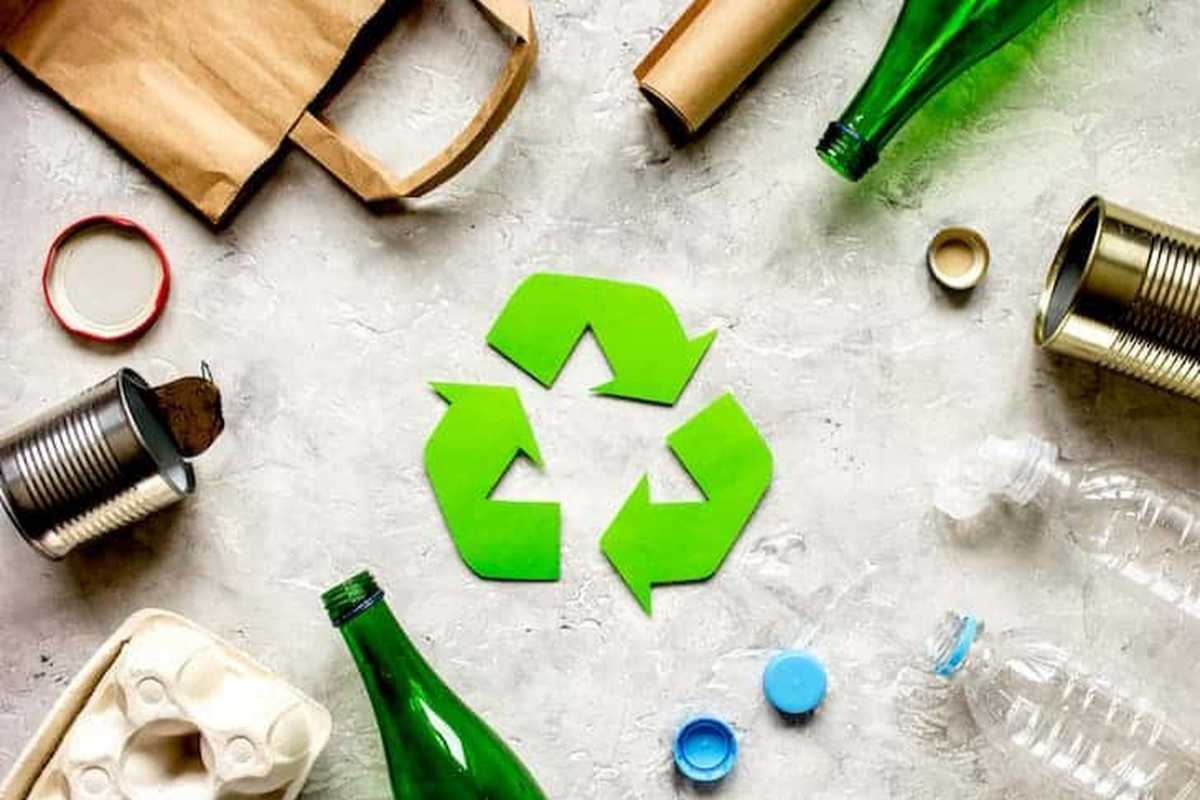

Every day, numerous reusable items are needlessly discarded. To cultivate a culture centered on waste reduction, reuse, sharing, and repairing in Toronto, the City is introducing five Community Reduce & Reuse Programs.
The urgency of the climate crisis looms larger with each passing year, fueled by escalating greenhouse gas (GHG) emissions and the relentless march of global warming.
Ready to take meaningful steps in the battle against climate change but unsure where to start? Look no further! Tomorrow’s Dream stands ready to support individuals and community groups eager to address climate challenges head-on.
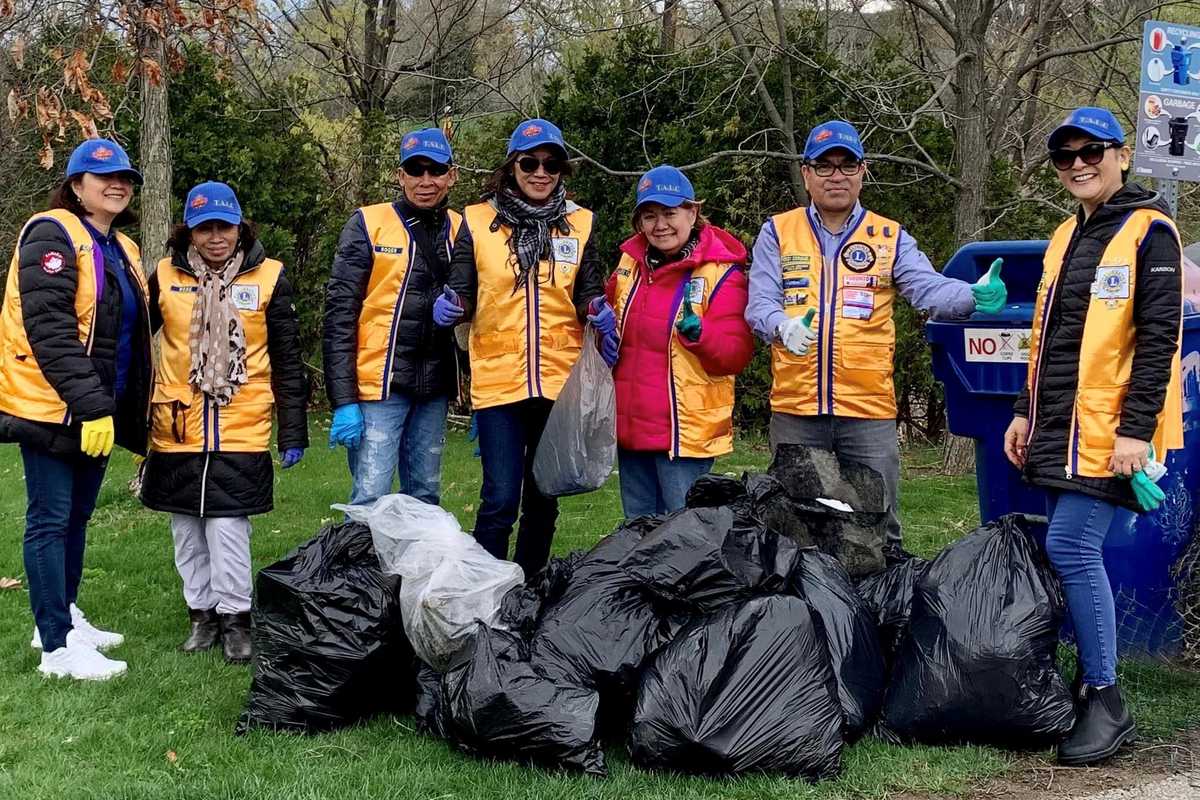
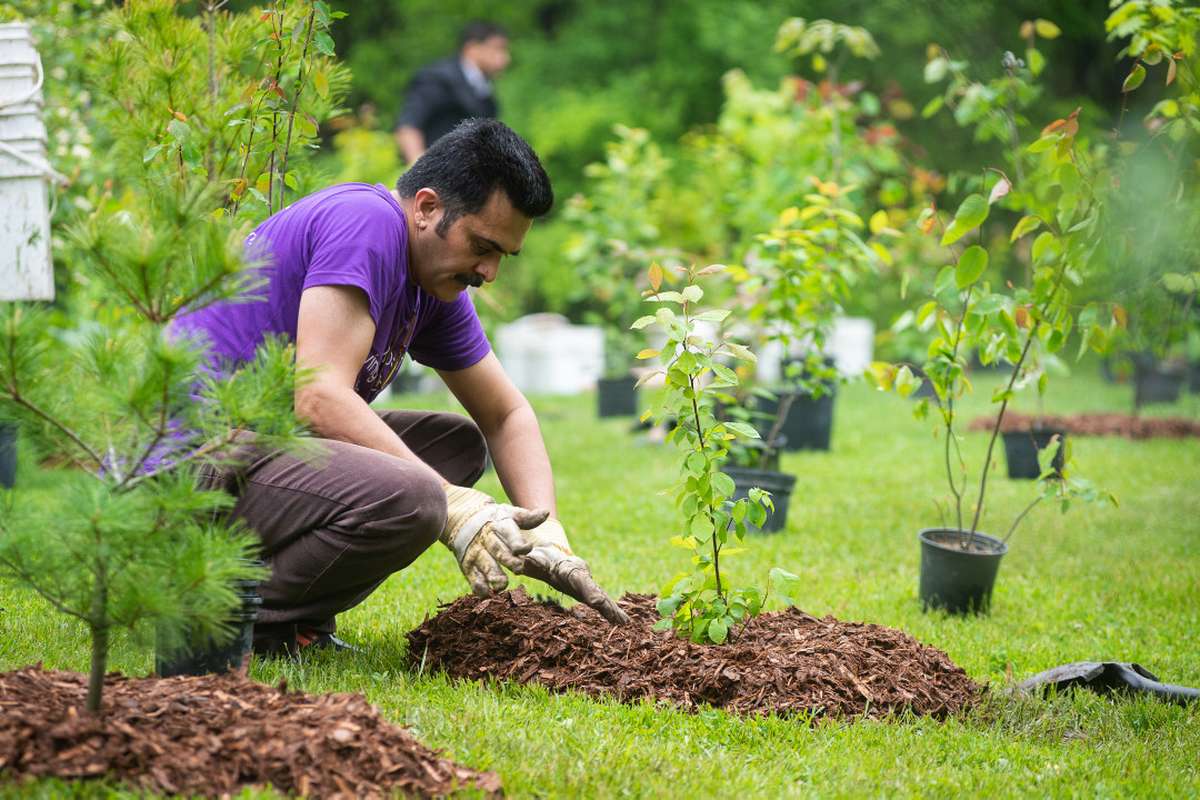
volunteers participate annually in tree planting and stewardship events.
of Toronto residents participate in recycling programs, contributing to the city's sustainability efforts.
The city has invested $10 million in green infrastructure projects aimed at enhancing urban biodiversity.
Ready to take meaningful steps in the battle against climate change but unsure where to start? Look no further! Tomorrow’s Dream stands ready to support individuals and community groups eager to address climate challenges head-on.
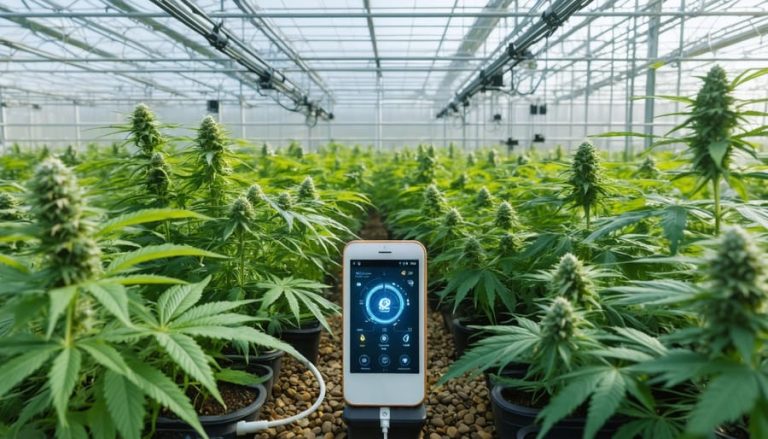
The future of cannabis cultivation demands a fundamental shift toward environmental stewardship. As the industry expands and consumers increasingly buy THCa products, sustainable growing practices have become essential for both planetary health and business viability. Forward-thinking cultivators are revolutionizing traditional methods by implementing closed-loop water systems that reduce consumption by up to 90%, transitioning to renewable energy sources for indoor operations, and …
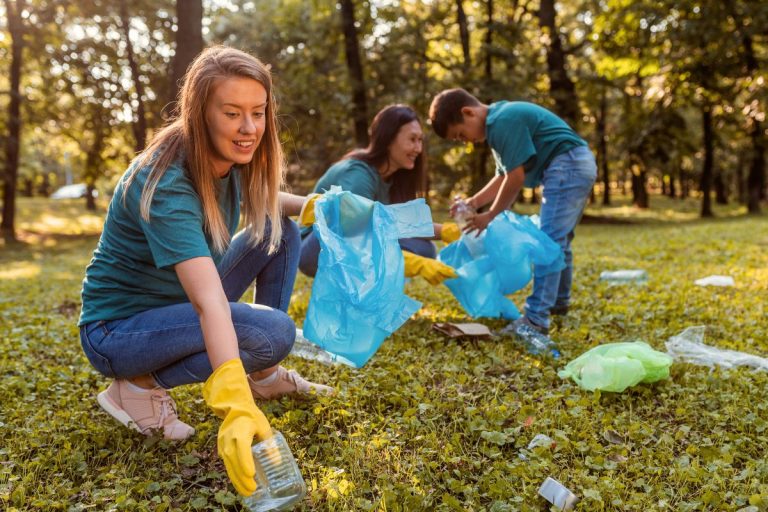
Keeping our city, Toronto, clean is essential for many reasons. A clean city not only looks beautiful but also helps maintain a healthy environment. When we keep our surroundings clean, we reduce the risk of diseases, protect wildlife, and ensure a pleasant place for everyone to live. It’s important for us, as residents, to take responsibility for our city and take small steps every day to make a big difference. One way to instill these values in students is through classroom review games for high school. These games can make learning about …
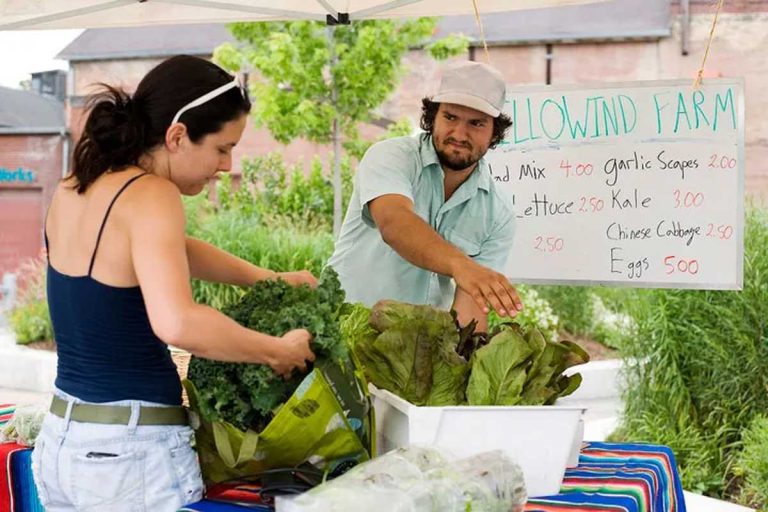
Toronto has a profound affinity for cuisine, and it’s not unexpected given our proximity to some of Canada’s most fertile agricultural regions. Our city takes pride in its culinary diversity, considering it one of our paramount strengths.
However, amidst a constantly expanding array of culinary options, the environmental repercussions of our culinary passion are substantial and on the rise. To sustain Toronto’s progress in sustainability, enhance economic prosperity, and bolster food security, it’s imperative that we reassess our connection with food in this ever-evolving era of choices.
…

Transportation stands as the second-largest contributor to greenhouse gas (GHG) emissions in Toronto, comprising 33 percent of the total emissions. The usage of fossil fuels to power cars, trucks, ships, trains, and planes leads to GHG emissions. A significant portion (70 percent) of transportation emissions originates from personal vehicles such as cars, vans, SUVs, and light trucks utilized by individuals or households.
To align with our 2030 reduction targets and ultimately attain net-zero status by 2040, it is imperative to minimize vehicular trips by transitioning to walking, cycling, or using public transit. Simultaneously…
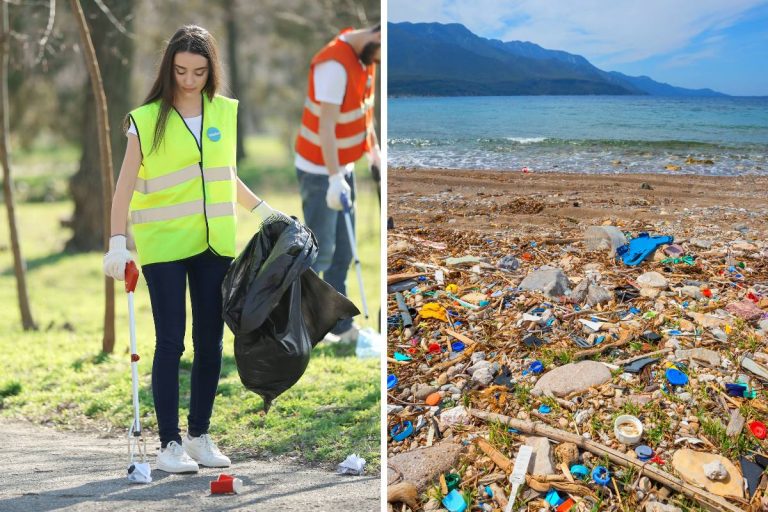
Vaping has often been discussed in the context of health debates and smoking cessation. However, there’s another aspect that deserves attention: its potential environmental benefits. While no activity is entirely free of environmental impact, vaping, when compared to traditional cigarette smoking, presents some interesting ecological advantages. To discover more about vaping, explore our e-liquids and learn how they can be a part of this environmentally-conscious choice.
Let’s explore five ways vaping can actually …